
“Your technical skills that you learn in the classroom are what’s going to get you hired, but what’s going to keep you hired and what’s going to get you promoted are all of these durable skills.” – Dr. Vincent Solis, President of Brazosport College
As I work towards completing my undergraduate degree at the University of Texas at Austin in May 2027, I’m bombarded with warnings that the labor force is on the cusp of changing forever and that my generation stands to bear the brunt of this transformation. Conversations about economic uncertainty, evolving workforce demands, the future of higher education, and the growing influence of artificial intelligence seem impossible to avoid in new graduate environments as people debate which skills will remain valuable in the years ahead.
Despite pessimism about employment opportunities and the economy overall, a recent virtual event co-hosted by Trellis Foundation and Trellis Strategies helped me take stock of the skills I’ve developed over the past few years to adapt to these changes.
The webinar I attended—Supporting Modern Learners: Integrating Durable Skills into Continuing Education (CE) Programs—featured a conversation facilitated by Trellis Strategies’ Bryan Ashton with Dr. Vincent Solis, President of Brazosport College, and Tim Taylor, President of the national group America Succeeds. Their discussion explored how institutions can integrate employer-informed, research-backed opportunities that support future workforce success.
Durable skills are the transferable skills that help people navigate work, learning, and life, including communication, critical thinking, collaboration, adaptability, and leadership. Unlike technical skills, which may change as industries and technologies evolve, durable skills remain valuable across roles, careers, and professional settings. During the webinar, Tim Taylor noted that employers increasingly prefer the term “durable skills” over “soft skills” because these abilities are what truly enable individuals to adapt, continue learning, and succeed in the long term.
After attending the webinar and exploring the America Succeeds Pathsmith™ durable skills wheel, I realized many of these skills are abilities I have already been developing across different academic and professional environments. Studying both Black Studies and Marketing while working as a Communications Intern at Trellis Foundation has required me to practice audience awareness, research, resourcefulness, and advocacy in ways that look completely different depending on the setting. The webinar reinforced that higher education should do more to help students recognize how these experiences translate into professional skills and future careers.
As someone graduating within the next year, the webinar made me reflect on the durable skills I have developed. Looking back on my academic and work experience, many of the most valuable lessons I have learned have come from navigating ambiguity, working across perspectives, and communicating effectively in different environments rather than simply memorizing information.
One of the most interesting realizations from the webinar was recognizing how my Black Studies and Marketing courses reinforced many durable skills through completely different approaches:
- In Black Studies, creating a food justice zine strengthened my intellectual curiosity, ethical conduct, creative problem-solving, and ability to translate complex research into accessible storytelling through written communication.
- In Marketing, conducting SWOT analyses and developing marketing plans requires strategic thinking, data analysis, innovation, collaboration, and receiving constructive feedback.
Like me, many students may already possess durable skills but need help identifying and articulating them to employers. If I could redesign part of the college experience, I would want courses, internships, and projects to more explicitly connect assignments to the durable skills they are helping students build. More intentional reflection around these skills could help students leave college not only with technical knowledge but with a clearer understanding of how their experiences prepare them for evolving careers, interdisciplinary work, and lifelong learning.
About the Author
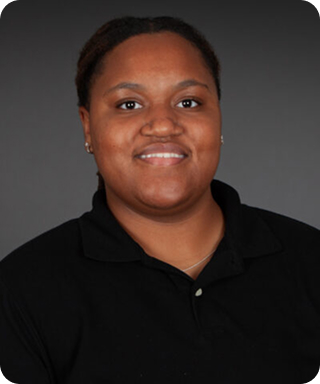
Kaitlyn Koba is a dual-degree student at the University of Texas at Austin, pursuing a Bachelor of Business Administration in Marketing from the McCombs School of Business and a Bachelor of Arts in African and African Diaspora Studies. Raised by her grandparents in Beaumont, Texas, she draws inspiration from her lived experiences and community, using digital storytelling as a tool for advocacy and empowerment. Kaitlyn has held several strategic marketing and outreach roles, including Associate Director of Outreach and Media Relations for UT Student Government, Digital Marketing Intern for the UT Computer Science Department, and Youth Advocate with Young Invincibles. These experiences have shaped her interest in content creation and creative strategy. As the Communications Intern at Trellis Foundation, she looks forward to amplifying the Foundation’s impact on students and sharpening her skills in brand development and media management—experience she intends to carry into a future career in marketing and consulting.