
Like the students we support, we hold ourselves accountable for engaging in learning. And as a learning organization, we know the value of honest feedback from partners you trust.
That’s why, in 2025, we partnered with the Center for Effective Philanthropy (CEP) to survey our grantee partners. We’re grateful to all those who took the time to provide feedback about our impact, processes, and more. With a 73% response rate, we consistently received ratings in the top 15% of CEP’s entire dataset, which includes over 350 foundations and more than 60,000 grantee responses.
Our Grantee Perception Report from CEP, paired with internal team reflections, offered a rich picture of what is working well and where we have opportunities to improve. It also helped us articulate the approach to relationships and collaboration with grantees that will ground our work as we continue to grow our team and expand our grantmaking.
What’s Driving Perceptions
The overwhelmingly positive responses regarding the Foundation’s understanding of and impact on the field signal to us that time spent with our partners at convenings, during site visits, and in learning about their challenges is well spent. As one respondent commented, “Trellis Foundation is a pivotal thought leader in our field, shaping conversations and driving meaningful progress. Their contributions not only inform our efforts but also elevate the broader field by fostering a culture of data-driven decision-making and collaboration.”
From early discussions to reporting touchpoints, grantees noted that communication with Program Officers is human-centered and anchored in a genuine desire to learn together. Several respondents noted that the collaborative process of refining their application helped their organizations to pursue additional funding.
In our team’s reflection on the results, Program Officers emphasized that our values of transparency and collaboration help grantees put their best case forward. Our open conversations with prospective grantees, kick-off calls at the beginning of new grants, and willingness to adapt to changing circumstances have contributed to clarity and trust.
Where We See Opportunities to Grow
As we grow our grantmaking in terms of dollars and total grants, the Foundation’s grant processes will need to evolve to ensure the sustainability of positive experiences by both new grantees and longstanding partners. Reviewing our application and reporting structure is also a chance to recalibrate timelines, streamline processes, and more clearly articulate expectations.
We also see an opportunity to increase the transparency and consistency of publicly available information. The redesigned Trellis Foundation website, for example, now includes a section for current grantees and more specific details about our grantmaking for grantseekers trying to determine if their work is a good fit. We’ll continue to prioritize communications strategies that help grantees and potential partners understand who we are, what we fund, and how to engage with us.
In addition, survey respondents made it clear that they want more opportunities to learn with and from other grantees, not just us. Enhancing our capacity for different kinds of convenings, site visits focused on community learning, and peer-to-peer connections is a high priority, and we’ve already added more internal support to that end.
Moving Forward, Together
We’re incredibly appreciative of the insights from our grantees that help us live our values, challenge us to grow, and ensure our practices support the high-quality, relationship-based engagement we strive to achieve.
The partnership with CEP on our first Grantee Perception Survey has only made us hungry for more (and more frequent) feedback, and we’re excited to explore additional listening strategies in the future. We always have more to learn, but we hope that by listening deeply and responding intentionally, our partners know that we’re committed to their success.
About the Author
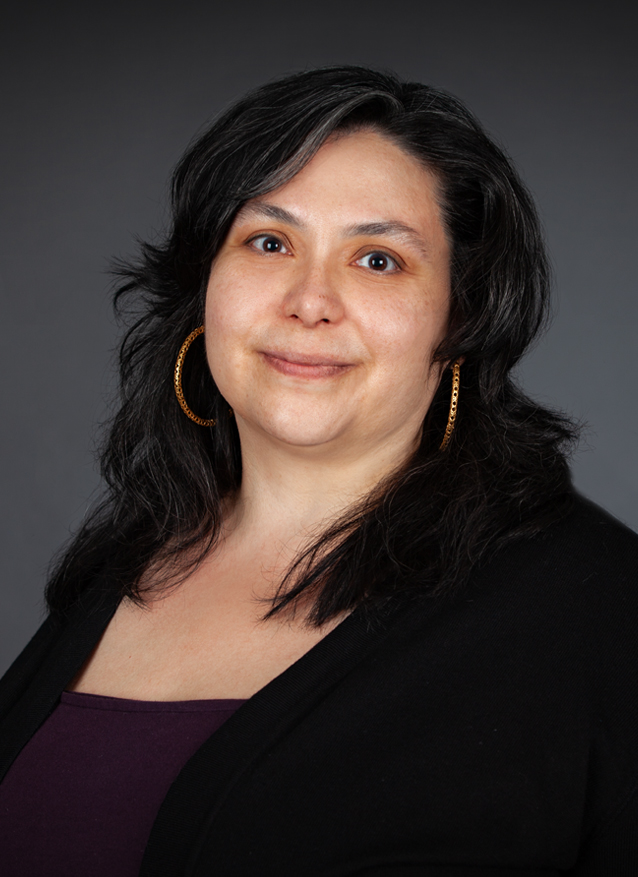
Mia Ibarra joined the Trellis Foundation in 2023 with more than 14 years of experience in nonprofit, government, and philanthropic service. Before Trellis, she was an advocate and campaign manager at Every Texan (formerly the Center for Public Policy Priorities), a statewide public policy nonprofit. Her previous higher education background includes the Udall Foundation, where she managed the competitive undergraduate Udall Scholarship program. Mia holds a bachelor’s degree from The Evergreen State College and a master’s degree in public affairs from the University of Texas at Austin.